Understanding Audio Mixing
Tips for a Professional Sound Setup Achieving a professional sound mix is both an art and a science. Whether you're mixing live performances or working in a studio, proper audio mixing enhances clarity, depth, and balance. Here’s how to master your mix and create a polished, professional sound setup. Understanding Audio Mixing! 1. Understanding the […]
Tips for a Professional Sound Setup
Achieving a professional sound mix is both an art and a science. Whether you’re mixing live performances or working in a studio, proper audio mixing enhances clarity, depth, and balance. Here’s how to master your mix and create a polished, professional sound setup. Understanding Audio Mixing!
1. Understanding the Basics of Audio Mixing
Audio mixing is the process of balancing individual sound elements, including instruments, vocals, and effects. The main goals are:
- Clarity: Ensuring every sound is distinguishable.
- Balance: Distributing frequencies evenly across the mix.
- Depth & Space: Creating dimension with effects like reverb and panning.
2. Essential Audio Mixing Tools
1. Equalization (EQ)
- Cut unwanted frequencies to eliminate muddiness.
- Boost essential frequencies for clarity (e.g., vocals around 1–3 kHz).
- High-pass filters remove unnecessary low-end rumble.
2. Compression
- Controls dynamic range, ensuring consistency.
- Adjust attack and release settings to maintain natural sound dynamics.
3. Reverb & Delay
- Adds depth and space to the mix.
- Use subtly for vocals and instruments to avoid a cluttered mix.
4. Panning & Stereo Imaging
- Place sounds across the stereo field to create width.
- Keep essential elements (kick, bass, lead vocals) centred.
3. Tips for a Professional Sound Setup
1. Gain Staging: Start with the Right Levels
- Set proper input levels to prevent distortion.
- Maintain headroom to avoid audio clipping.
2. Use Reference Tracks
- Compare your mix with professionally mastered tracks.
- Adjust EQ and balance to match industry standards.
3. Optimize Your Listening Environment
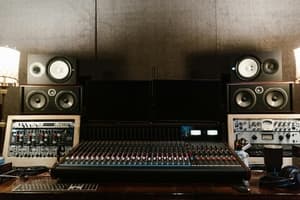
- Use studio monitors instead of regular speakers for accurate sound.
- Treat your room with DIY acoustic panels to minimize reflections.
4. Create Separation Between Instruments
- Use EQ to carve out space for each element.
- Apply sidechain compression to reduce frequency masking.
5. Check Your Mix on Multiple Devices
- Test on headphones, car speakers, and studio monitors.
- Adjust levels accordingly to ensure a balanced mix across all playback systems.
Final Thoughts
A professional mix requires attention to detail and the right tools. By mastering EQ, compression, reverb, and panning, you can achieve a polished, industry-level sound. Looking for top-tier mixing equipment? Explore NXT Level Tech for the best audio gear to elevate your sound setup!