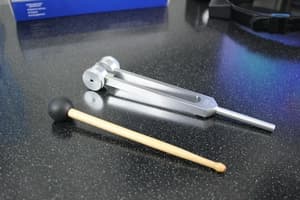
Tuning Your Church Sound System for Clarity and Power
A well-tuned sound system is essential for delivering clear, balanced, and impactful worship music. Whether you’re working with a small PA system or a full church sound setup, proper tuning ensures that every instrument and vocal is heard with clarity. Here’s how to Tuning Your Church Sound System for Clarity and Power for the best […]

A well-tuned sound system is essential for delivering clear, balanced, and impactful worship music. Whether you’re working with a small PA system or a full church sound setup, proper tuning ensures that every instrument and vocal is heard with clarity. Here’s how to Tuning Your Church Sound System for Clarity and Power for the best audio experience.
1. Understand Your Church’s Acoustics
1.1 Assess the Room’s Natural Sound
- Walk around the sanctuary to identify echoes, dead spots, and areas where sound is too harsh or muffled.
- Consider adding acoustic treatments like foam panels, curtains, or bass traps to reduce reflections.
1.2 Speaker Placement & Positioning
- Position main speakers to cover the congregation evenly.
- Avoid placing speakers too close to walls to reduce low-end buildup.
- Use floor monitors strategically to minimize feedback.
2. Setting Up the Mix for Clarity & Balance
2.1 Gain Staging: Start with Proper Levels
- Set input gain levels correctly to avoid distortion.
- Use a soundcheck to balance instrument and vocal levels before service.
2.2 EQ for Each Instrument & Vocal
- Vocals: Boost 2-5 kHz for clarity; cut 250 Hz to remove muddiness.
- Guitar & Keys: Cut frequencies that clash with vocals.
- Drums & Bass: Roll off unnecessary low-end and emphasize punchy frequencies.
2.3 Use Compression for a Smooth Mix
- Apply light compression to vocals and acoustic instruments to maintain consistency.
- Keep drums and bass slightly compressed to prevent volume spikes.
3. Managing Feedback & Room Noise
3.1 Eliminate Microphone Feedback
- Reduce gain on mics near speakers.
- Use directional microphones to minimize background noise.
- Adjust EQ to cut problem frequencies (often 2.5 kHz – 4 kHz).
3.2 Control Stage Volume
- Keep amplifiers at a moderate level to prevent overwhelming the PA system.
- Consider using in-ear monitors instead of floor wedges for better sound control.
4. Mastering the Final Mix
4.1 Create a Balanced Front-of-House Mix
- Blend instruments and vocals so nothing overpowers the mix.
- Adjust levels during service to compensate for dynamic changes.
4.2 Use Effects Sparingly
- Add reverb to vocals for warmth but avoid excess.
- Apply delay subtly to create depth without muddiness.
5. Regular Maintenance & System Checks
- Clean microphones and cables to prevent signal loss.
- Test speakers and monitors regularly for distortion or malfunctions.
- Update software and firmware on digital mixers and processors.
Final Thoughts
Tuning your church band’s sound system requires careful attention to acoustics, mixing techniques, and regular maintenance. By following these steps, you can achieve clear, powerful audio that enhances worship and keeps the congregation engaged. Need professional-grade sound equipment? Explore NXT Level Tech for the best gear to optimize your church’s sound system!