Budget-Friendly Home Studio
Building a home studio doesn’t have to break the bank. With the right strategy, you can create a high-quality recording space without spending a fortune. Whether you're a musician, podcaster, or content creator. Here’s how to set up a budget-friendly home studio while maintaining professional sound quality. Follow these Steps 1: Choose the Right Space […]
Building a home studio doesn’t have to break the bank. With the right strategy, you can create a high-quality recording space without spending a fortune. Whether you’re a musician, podcaster, or content creator. Here’s how to set up a budget-friendly home studio while maintaining professional sound quality.
Follow these Steps
1: Choose the Right Space
The room you select plays a crucial role in sound quality.
Look for:
- Quiet space – away from external noise and foot traffic.
- Room with minimal echo – avoid spaces with too many hard surfaces.
- A controlled environment – where you can manage lighting and acoustics easily.
2: Invest in Essential Equipment
1. Computer & DAW (Digital Audio Workstation)
- Mid-range laptop or desktop with sufficient RAM and processing power is enough.
- Use free or budget-friendly DAWs like Cakewalk, Audacity, Reaper, or GarageBand.
2. Audio Interface
- Choose a 2-in/2-out USB audio interface for affordability and reliability (e.g., Focusrite Scarlett Solo, Behringer UMC22).
3. Microphone & Headphones
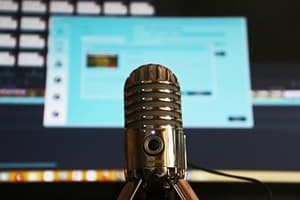
- Condensers (like Audio-Technica AT2020) work best for vocals and instruments.
- Dynamic microphones (like Shure SM58) are great for podcasting and loud sound sources.
- Use closed-back headphones (e.g., Audio-Technica ATH-M40x) for accurate monitoring.
4. Studio Monitors (Optional, But Recommended)
- If on a tight budget, high-quality headphones can replace monitors.
- Monitors that are within budget, KRK Rokit 5 or PreSonus Eris 3.5 are solid choices.
3: Optimize Your Acoustics
- Use foam panels or DIY acoustic treatment (blankets, rugs, bookshelves) to absorb reflections.
- Position your desk and speakers correctly: avoid corners, and aim for a balanced stereo field.
- Add a reflection filter or DIY vocal booth to improve vocal recordings.
4: Get the Right Cables & Accessories
- XLR cables for microphones.
- Pop filter to reduce plosive sounds.
- Mic stands for stability.
- MIDI controller (if producing music) for hands-on control.
5: Use Free or Affordable Plugins & Software
- EQ, compression, and reverb plugins (many free options available).
- Virtual instruments and sample packs for music producers.
- Noise reduction plugins for clear recordings.
6: Learn & Improve Your Sound
- Watch YouTube tutorials on mixing and mastering.
- Join online communities for feedback and tips.
- Practice regularly and refine your setup based on experience.
Conclusion
Focus on essential gear, optimize your space, and use free resources to achieve professional-quality results. Need affordable yet high-quality audio gear? ExploreNXT Level Tech for the best budget-friendly recording solutions!